


[Join the Newsletter] [Download Rulebook (coming soon)] [Download 3D STL files (coming soon)]
[Available Versions (Shop)]
The Story Behind Barrinium Dawn
Every game has a story behind it. Barrinium Dawn began with a simple question:
Could the strategic depth and excitement of a real-time strategy PC game be recreated on a tabletop?
What started as an experiment gradually developed into a strategy game built around resource management, tactical combat, hidden production, and a battlefield that changes with every match.
From Linkeballen to a New Challenge
My journey in board game development began with Linkeballen, a cycling strategy game I developed and initially released together with my brother and father.
The game later attracted the attention of a larger company, leading to a collaboration with Just Games and the release of an official Tour de France board game based on Linkeballen.
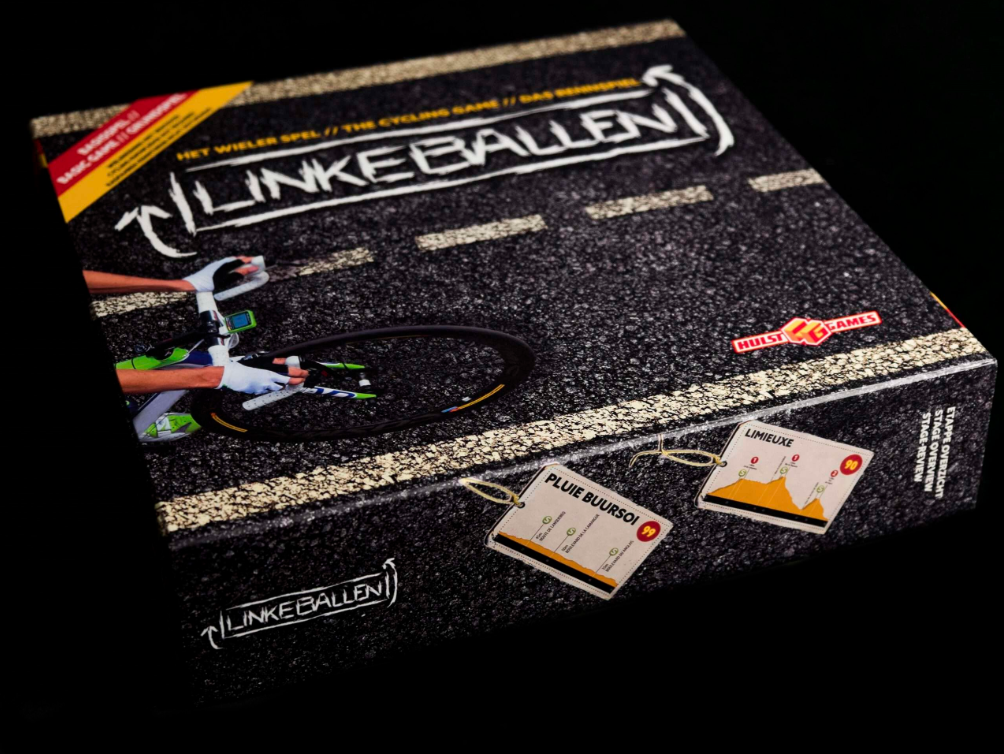

[The cycling games “Linkeballen” and “Tour de France”, see www.hulstgames.nl for more info]
That experience gave me valuable insight into developing, presenting, and bringing a board game to market. It also encouraged me to explore new ideas and consider what makes a board game engaging for different types of players.
Listening to Board Game Players
After working on the Tour de France board game, I visited board game events such as SPIEL in Essen and Spellenspektakel. I wanted to ask visitors a straightforward question:
“What do you consider important in a board game?“
Several ideas came up repeatedly.
- A changing battlefield. Players liked modular boards that could be arranged differently, rather than playing on exactly the same map every time.
- Interaction between players. Blocking opponents, taking away opportunities, and disrupting their plans can make a game more exciting.
- Visible progress. Players enjoy building something, expanding their position, and seeing their decisions take shape on the board.
- Resources and development. Collecting resources and deciding how to invest them creates meaningful choices.
- Flexible player counts. Some people prefer games designed for two players, while others want the option to play with a larger group.
These conversations helped me identify the ingredients I wanted to bring together in a new game.
Inspiration from Classic RTS Games
When I looked at all those ideas together, I realized something: many of the things players described were already present in one of my favourite PC game genres — real-time strategy.
In particular, Command & Conquer provided a strong source of inspiration. Building a base, gathering resources, producing units, defending territory, and anticipating an opponent’s next move all contribute to the appeal of an RTS game.
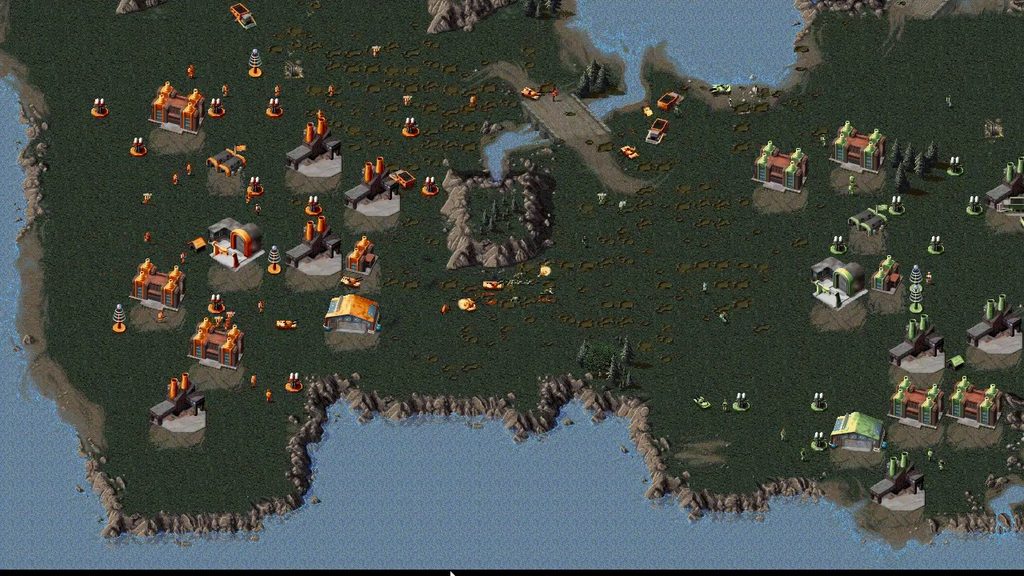
[A picture of the PC game – Command & Conquer Red Alert]
I began experimenting with ways to bring those elements to the tabletop.
The goal was not simply to copy a computer game with cardboard pieces. I wanted to create a board game in which players could make meaningful strategic decisions, interact directly with one another, and experience the satisfaction of developing a base and army — without needing a computer to play.


[Early Barrinium Dawn concept & prototype, showing the first ideas taking shape.]
Turning the Concept into a Game
The first ideas were only the beginning. A promising concept still needs rules and systems that work together in practice.
I experimented with board layouts, resource management, unit production, combat, and the way players could interact with each other’s plans. Many details needed to be tested, adjusted, and tested again.
One of the biggest challenges was finding the right balance between strategic depth and manageable rules. The game needed to offer meaningful decisions without making every turn unnecessarily complicated.
In short: Easy to learn, hard to master.
Gradually, the different systems came together. The modular battlefield, specialized units, resource economy, and production system became part of a coherent game.
Testing, Learning, and Refining
Playtesting played an important role in the development of Barrinium Dawn.
Feedback from different players helped me identify unclear rules, improve the flow of the game, and refine individual mechanics.
I also wanted to see how the game would work for people who rarely or never play board games.
Their experiences helped me evaluate whether the rules and player dashboards communicated the necessary information clearly enough.
The aim was to make the game approachable once the basic rules are understood, while retaining the tactical decisions and strategic possibilities that experienced players enjoy.
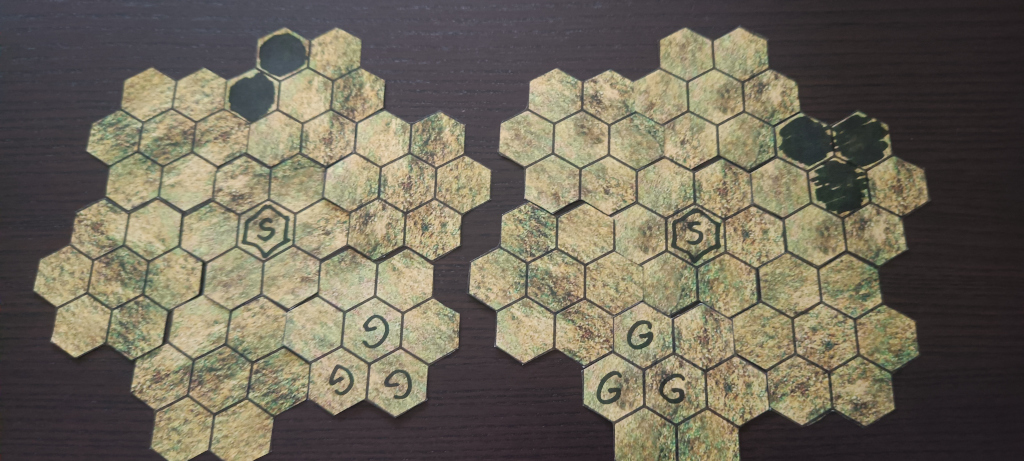
[A playtesting session on different prototype boards to test the dynamic board system]
Every round of testing brought new observations. Some ideas worked well immediately; others needed another approach. The game continued to evolve through this process.
From Prototype to Presentation
As the core gameplay took shape, my attention increasingly shifted towards the visual presentation.
The board, unit tokens, cards, and player dashboards all need to work together. Information must be easy to find, symbols must be recognizable, and the overall design must support the gameplay rather than distract from it.
Barrinium Dawn is designed to make strategic information visible on the table, allowing players to focus on their decisions and their opponents rather than constantly searching through the rulebook.
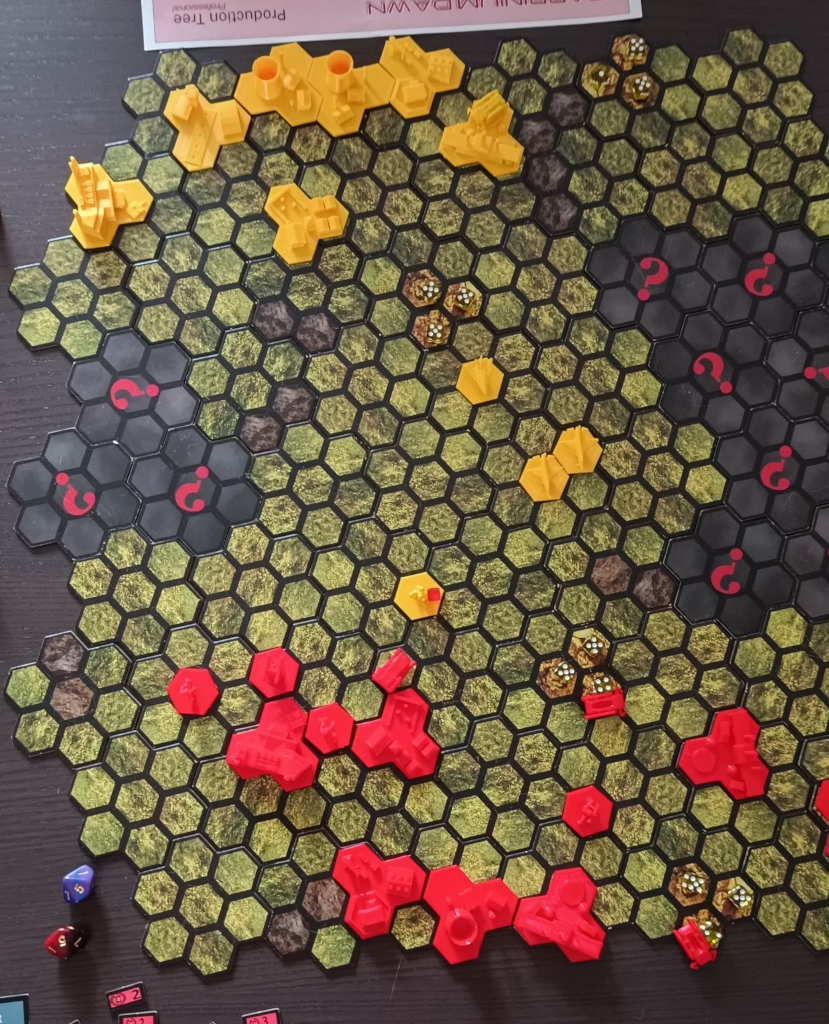

[A close-up of the latest board modifications]
The project is now moving through the final stages of visual refinement and preparation for its next steps towards publication.
Expanding the Battlefield
From the beginning, I wanted Barrinium Dawn to have a strong strategic foundation that could be expanded in different directions. The base game provides the core experience, while expansions introduce additional systems, tactical options, and new challenges.
Three expansions explore different aspects of the battlefield.
Strategic Innovations
This expansion develops the strategic side of base management with advanced resource management, power systems, new buildings, and additional tactical options.
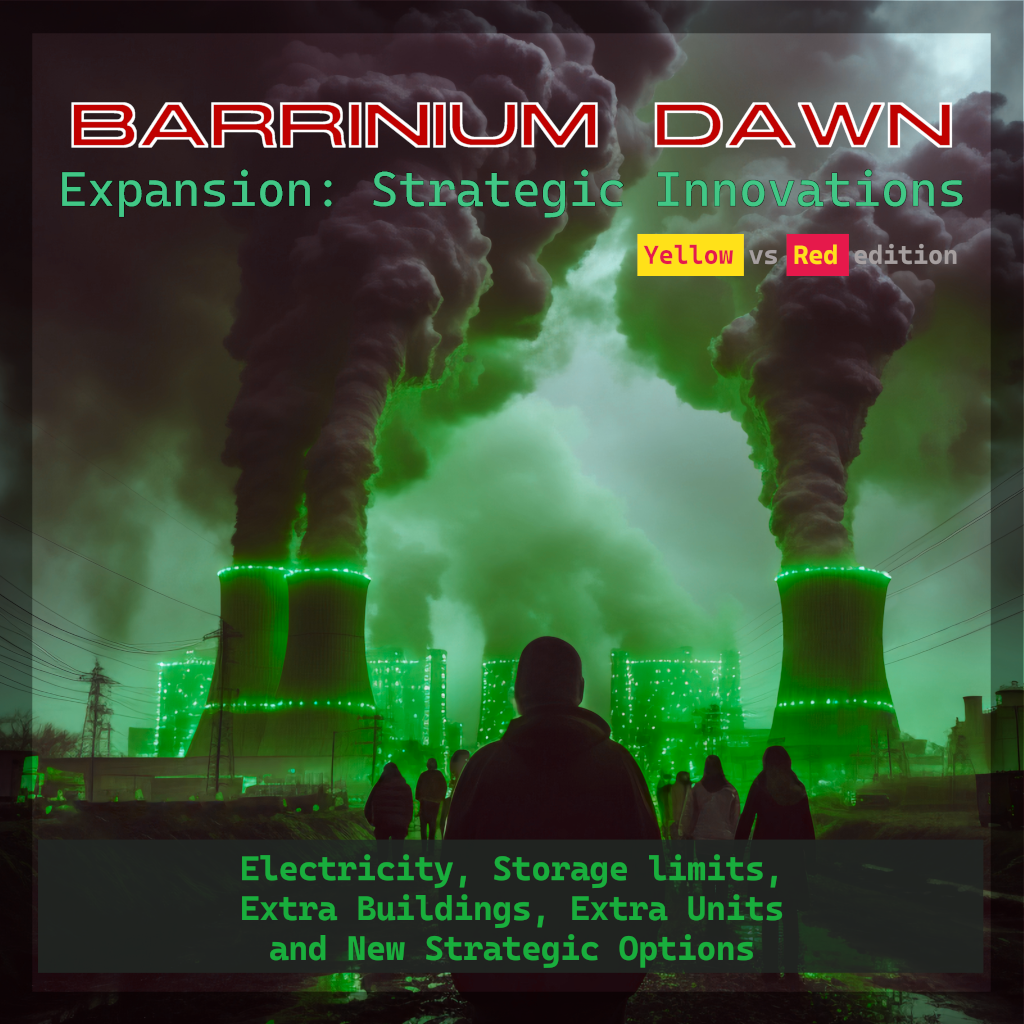
[A picture of the box, the rest we keep hidden, for now]
Uncharted Waters
Naval warfare opens up new strategic possibilities across seas and rivers. New units and buildings allow players to approach movement, positioning, and control of waterways in different ways.
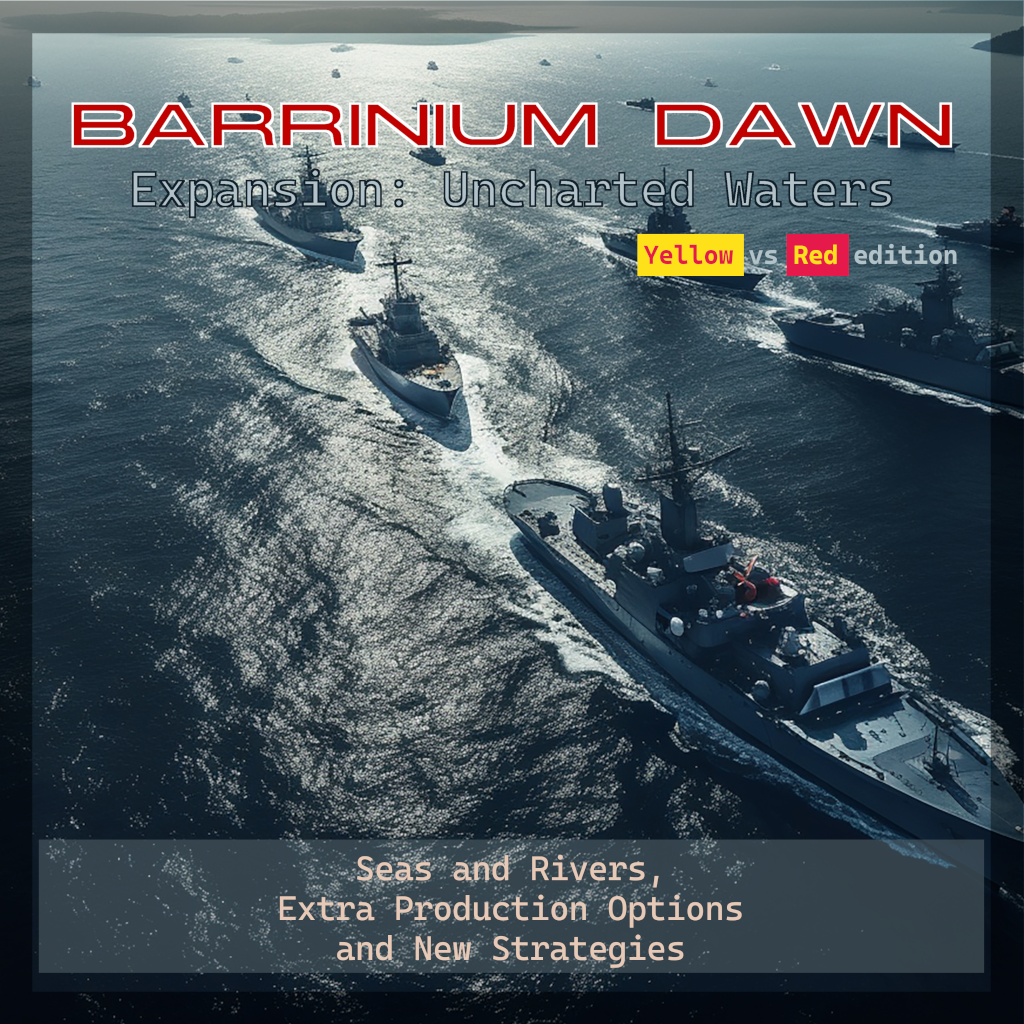
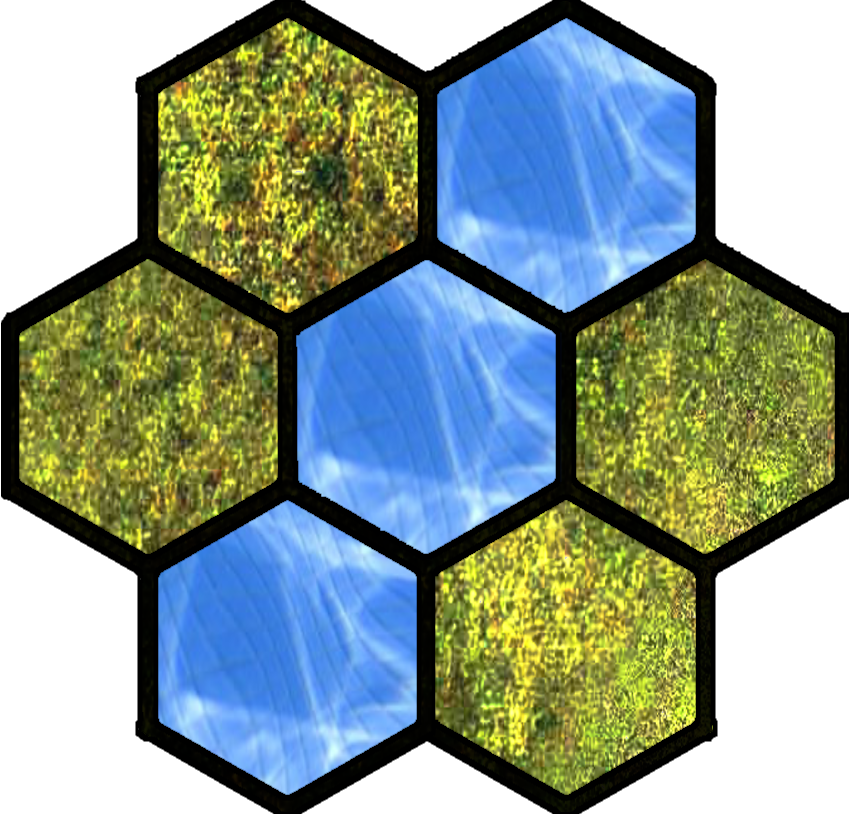
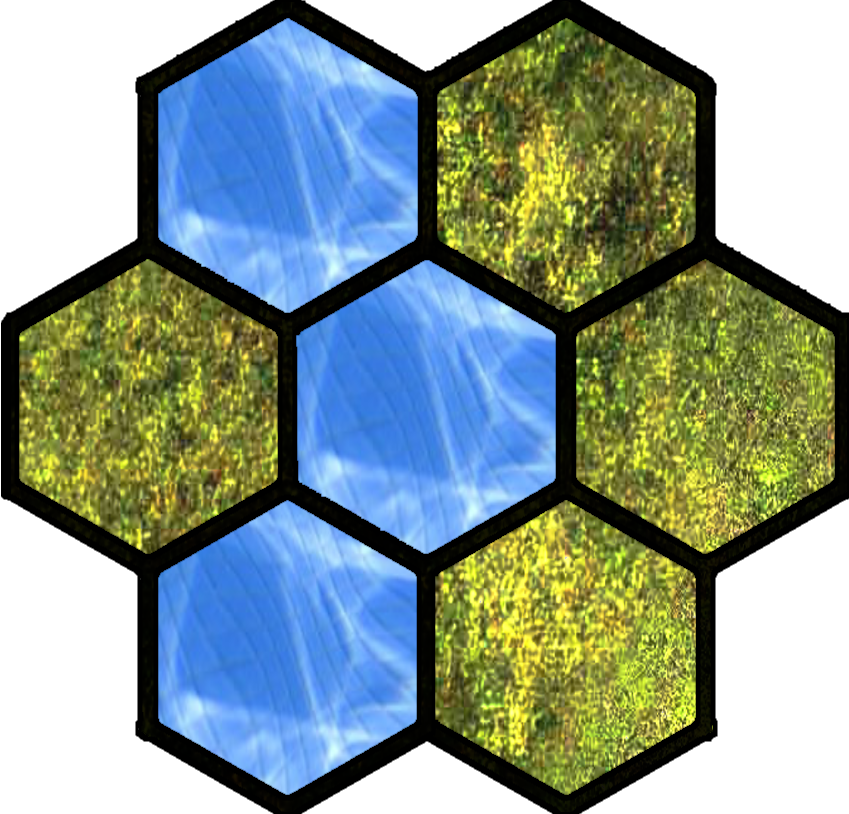

[Pictures of the box and the new hexagon tiles]
Experimental Frontiers
This expansion explores more unconventional approaches to warfare, introducing experimental units, explosives, and technologies such as the Rift Gate, which allows units to be teleported by harnessing nearby Barrinium radiation.

[A picture of the box, the rest we keep hidden, for now]
Each expansion builds on the foundations of Barrinium Dawn while offering new decisions and opportunities to explore different strategies. The aim is not simply to add more components, but to give players fresh ways to approach the game.
What Comes Next?
Barrinium Dawn has grown from an initial experiment into a substantial tabletop strategy project. The core systems have been developed and playtested, and the focus is now on refining the presentation and preparing the game for its next stage.
The next steps include completing the remaining graphical details, preparing materials to present the game, and exploring opportunities to bring it to a wider audience.
There is still work to do, but the central idea remains the same: to bring the strategic thinking, tactical choices, and sense of progression found in classic RTS games to the tabletop.
Discover the World of Barrinium Dawn
Beyond the mechanics and the development process, Barrinium Dawn also has a fictional world of its own.
A catastrophic meteorite impact changed the planet and left behind Barrinium, a rare resource that would become the driving force behind technological progress, expansion, and conflict.
Want to discover how this world came to be?
Read the Background Story of Barrinium Dawn
Follow the development of Barrinium Dawn through Bast-Games for future updates, previews, and news about the game’s journey towards publication.
Be the first to know about development, playtesting, and the upcoming crowdfunding campaign.
Sign up to receive:
- Development updates
- Early previews
- Playtesting opportunities
- Crowdfunding announcements
- Behind-the-scenes content